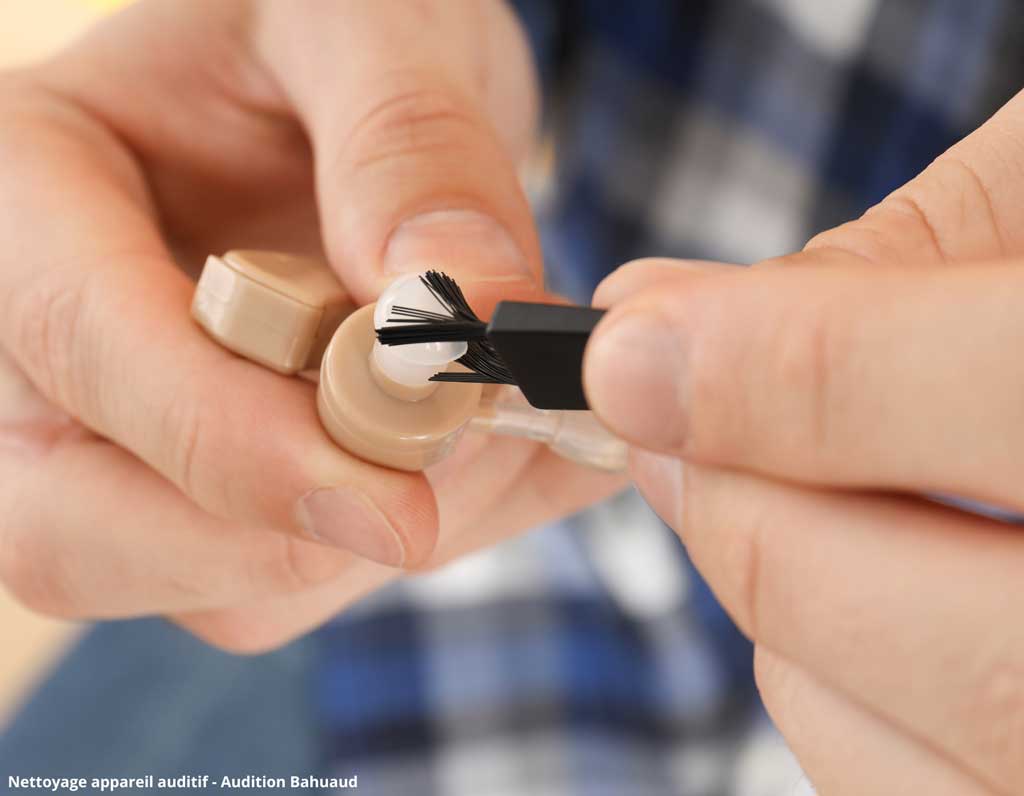
Hearing aid insurance is essential for people who wear hearing aids. Their high cost, along with the risk of loss, theft and damage, make them a high-risk item, which is why many companies offer insurance to provide users with peace of mind. In this article, we will examine the benefits, cover, premiums, the various insurance options and, above all, the importance of hearing aid insurance.

What is hearing aid insurance?
Hearing aid insurance is a policy that covers the risks of damage, breakage, loss and theft for hearing aid users. Generally, it covers the costs of repairing and/or replacing the devices. Depending on the insurance company, policies vary and may also include cover for accessories, technical faults and so on. Thanks to this insurance, maintenance and repair costs are significantly reduced.
Why take out insurance for a hearing aid?
Hearing is vital to our wellbeing, our safety and our ability to communicate with the outside world. Hearing aids are essential for people who wear them. That is why it is important to insure your hearing aid:
- Financial protection: Hearing aids, their replacement and repairs are expensive. Insurance offers financial protection.
- Additional cover: Manufacturers usually offer a warranty period for hearing aids; insurance policies allow you to extend this period and supplement the cover.
- Repairs and prompt replacement: In the event of a claim, most insurance policies allow for the prompt replacement of the hearing aid. Furthermore, repairs and replacements are often reimbursed by the insurance companies.
- Peace of mind: Knowing that your hearing aid is insured gives you peace of mind, as hearing aids are a real help in everyday life.
What cover does hearing aid insurance provide?
The cover typically offered includes insurance against loss, theft and damage to hearing aids. Some companies also offer:
- Coverage for damage caused by damp
- Repairs for technical faults or wear and tear
- Temporary replacement (in the event of repair, loss, theft, etc.)
- International aid
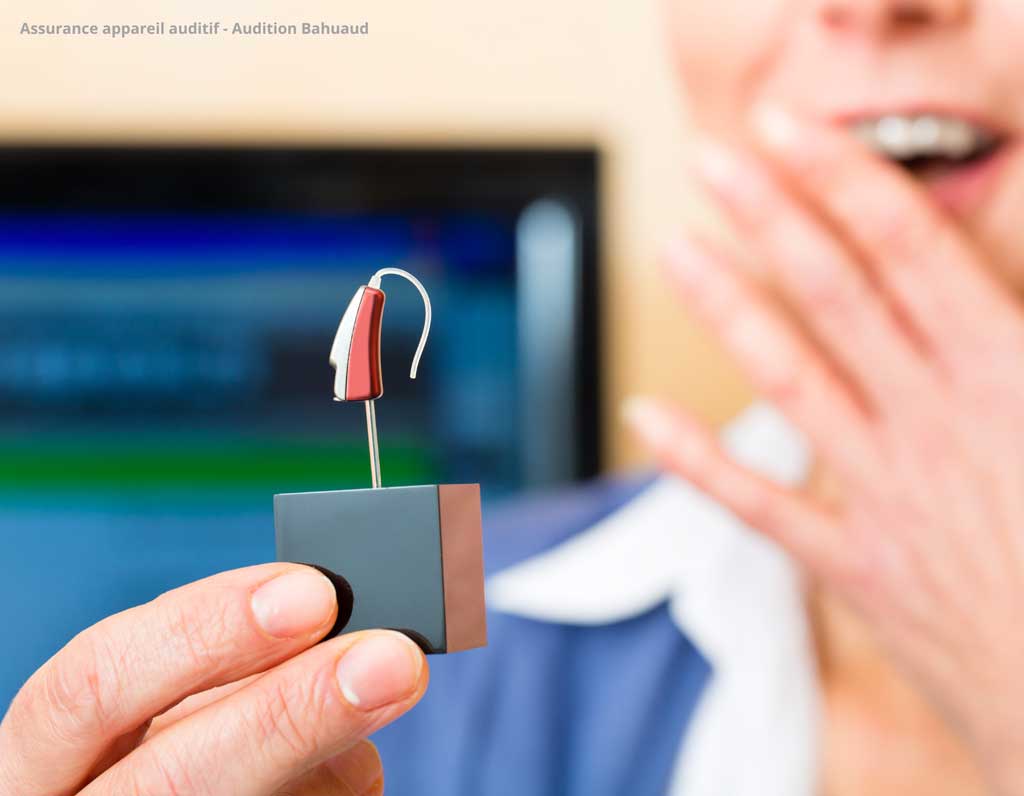
How much does hearing aid insurance cost?
The cost of hearing aid insurance is determined by several factors. Firstly, the value of the hearing aid: the higher it is, the higher the cost of the insurance will be.
Furthermore, the cover chosen will affect the price: if the user chooses cover against loss, theft or breakage, or opts for a fast replacement option, their plan will be more expensive than if they opt for limited cover.
Finally, insurers themselves set premiums at varying levels. For example, the premium for hearing aid insurance is around €50 to €200 per year per device. It is important to note that some insurance policies require you to pay an excess before the insurance kicks in, which can drive up the costs.
Insurance companies offer package deals to provide lower rates, for example by insuring several hearing aids or taking out multiple policies (home, car, health, etc.). At Audition Bahuaud, we offer insurance valid for four years, starting from the invoice date of your hearing aid. Contact us for a quote on hearing aid insurance.

What are the exclusions in hearing aid insurance policies?
Exclusions vary depending on the insurer and are designed to ensure that the devices are used correctly. In some cases, insurance policies do not cover situations or damage such as:
- Normal wear and tear on the appliance
- Poor maintenance
- Damage caused intentionally
- Repairs or modifications that are unauthorised or carried out by an unauthorised person
- Faults not covered by the manufacturer’s warranty
- Claims not reported within the time limit set by the insurer
- Damage resulting from a criminal act committed by the user
How can I claim reimbursement for the loss of a hearing aid?
If you lose your hearing aid, the first step is to check whether your insurance covers such losses. Next, you must report the loss within the time limit specified in the policy, either online, by telephone or by post. The documents you will need to provide are the insurance policy, the invoice for the hearing aid, the loss report and, if necessary, a police report. The insurer will then assess the claim, check whether any excess applies and decide on the reimbursement. Following this, your hearing aid will be reimbursed or replaced.
Where can I get my hearing aid repaired?
The best place to have your hearing aid repaired is a hearing aid centre. The professionals there will carry out a diagnosis, repair your hearing aid or make any necessary adjustments. At Audition Bahuaud, our certified technicians are on hand to assist you and listen to your needs when it comes to repairing your hearing aids.
It is also possible to have your hearing aids repaired by the manufacturers, at pharmacies or medical centres, and at specialist centres. Under no circumstances should you attempt to repair your hearing aids yourself.
How do you choose the best insurance?
In order to choose the best hearing aid insurance, it is necessary to compare the cover provided and the excesses; to examine the exclusions in the policy; and to find out how long the policy is valid for.
Reading customer reviews and finding out about the insurer’s reputation and customer service can help you avoid any unpleasant surprises.
Finally, to choose the best insurance, you need to assess the value for money and find out about the reimbursement times. At Audition Bahuaud, we work with Mark’Assur to offer you reliable and effective insurance.
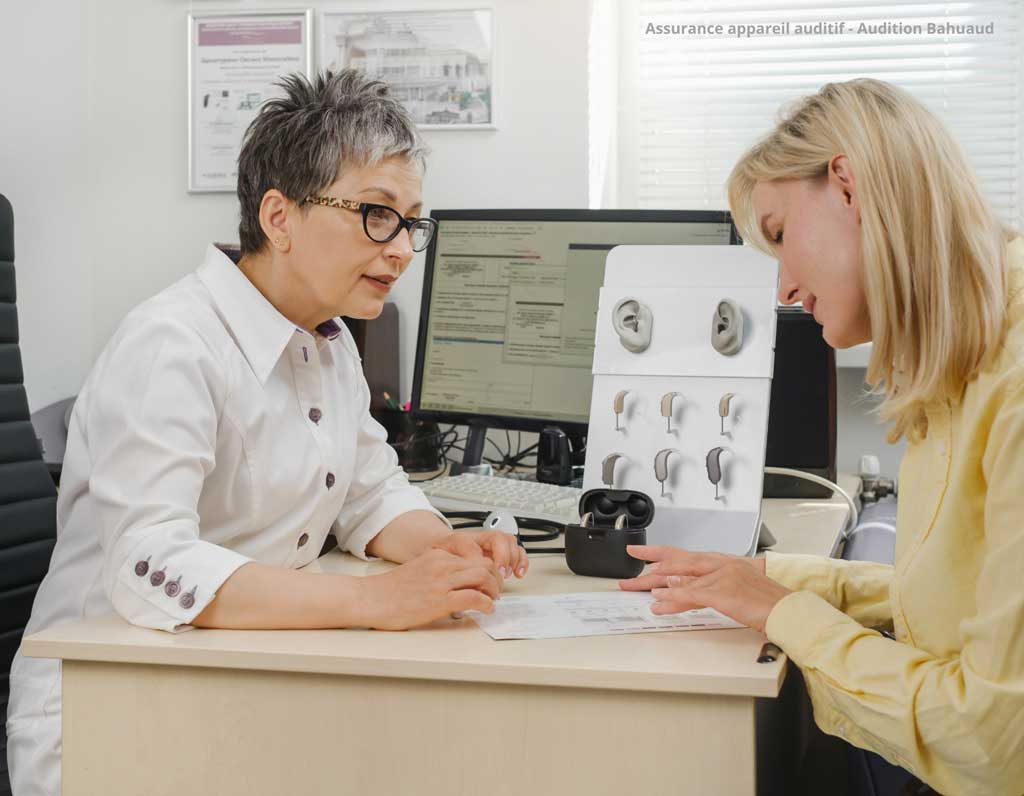
Insurance and supplementary health insurance: what’s the difference?
Health insurance is a supplement to the National Health Service that helps to reimburse the costs of purchasing a hearing aid. Insurance, on the other hand, provides cover after the hearing aid has been purchased. The two therefore complement each other.
It is best to take out supplementary health insurance before purchasing the device in order to be eligible for a refund; as for insurance, this is usually taken out as soon as the purchase has been made.
What is the reimbursement for a hearing aid in 2024?
Under the 100% Santé Act introduced in 2021, Class 1 hearing aids are fully covered by the National Health Service and private health insurance.
Class II hearing aids offer more advanced features, but result in a higher out-of-pocket cost, depending on the price of the device and the level of cover provided by the private health insurance scheme.
Choosing the right hearing aid insurance therefore depends on a number of factors, which we have looked at in this article. The professionals at Audition Bahuaud are on hand to guide you and offer solutions tailored to your needs.
To make sure you don’t miss out on our news and product offers, follow us on Facebook and Instagram or check out our news here