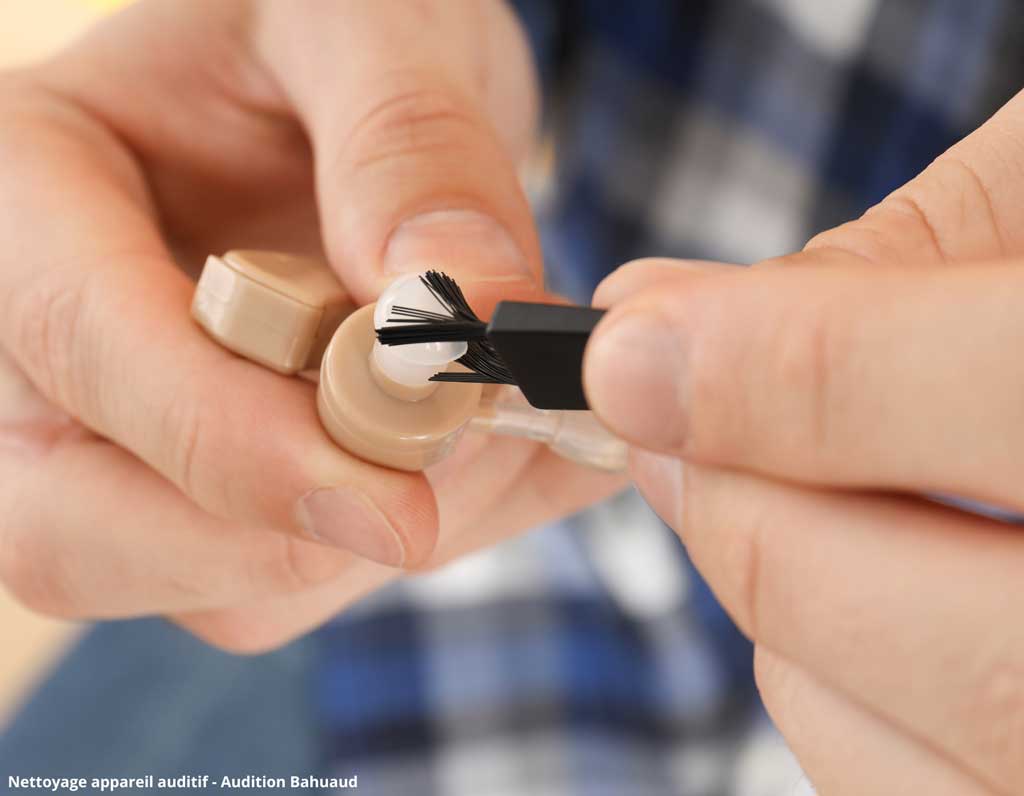
Age-related hearing loss develops gradually. Older people adapt to it without realising it, until everyday life becomes more difficult. Recognising the early signs enables you to take action at the right time and to maintain communication, memory and quality of life.
This article helps you to recognise the early signs of age-related hearing loss, to work out when you should be concerned, and to find out what steps you can take to get a reliable diagnosis.
Why the early signs are hard to spot
As we get older, the inner ear loses some of its sensitivity, particularly at high frequencies. This change affects how we perceive speech, but it is often subtle. You can still hear sounds, but certain consonants become slurred. At first, you might put it down to temporary tiredness or a noisy environment, but the problem keeps recurring.
In many cases, older people compensate naturally. They rely more on lip-reading, ask people to repeat themselves, and turn their heads to hear better. These adjustments mask the actual loss of hearing.
Certain factors, such as past exposure to noise, a family history of hearing loss or chronic medical conditions, can exacerbate hearing loss.
Early signs of age-related hearing loss
The most common symptom is not an overall reduction in volume, but a loss of clarity. Sounds seem loud enough, but words appear to be cut off. You can make out the beginning of a sentence, but not the end. You can hear a voice, but you lack the information needed to understand the message clearly.
Situations involving background noise often reveal the first signs of difficulty. A meal in a restaurant, a family gathering or being in an open-plan space can become tiring. The brain has to work harder to distinguish voices from surrounding sounds. This energy expenditure can sometimes lead to auditory fatigue by the end of the day.
Another common sign relates to the television. You regularly turn up the volume without realising it. The people around you, however, do notice. The difference between the volume you listen to and that of others becomes an important indicator.

Telephone conversations can also become difficult: voices may be less clear, words may be slurred, and responses may be hesitant.
Finally, some older people describe a sensation of ‘blocked’ ears, which may be intermittent or persistent, with no identifiable cause. This sensation warrants further investigation.
When should you be concerned?
It is important to take action as soon as hearing loss starts to affect your behaviour. If you find yourself avoiding certain conversations because you’re worried you might misunderstand, or if you’re gradually withdrawing from social activities, the problem has already gone beyond being merely a source of discomfort.

Age-related hearing loss develops gradually. Sudden symptoms are not part of the normal ageing process. You should seek medical advice promptly if you notice:
- a sudden drop within a few hours
- a marked difference between the two ears
- immediate tinnitus following a loud noise
- hearing loss accompanied by vertigo or a loss of balance
These situations require a medical assessment as they may indicate a cause other than age-related hearing loss.
As a general rule, you should consider having a hearing test as soon as the symptoms become recurring or start to interfere with your ability to communicate fluently.
How to check whether you have hearing loss
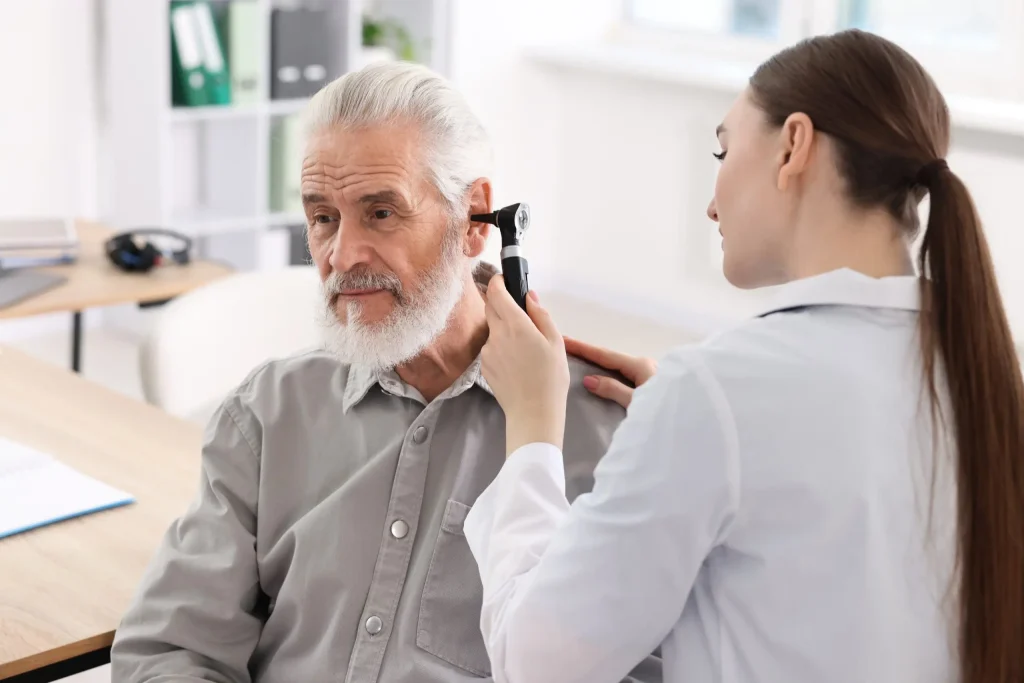
A hearing test is the most reliable way to assess your hearing. Unlike subjective impressions, it accurately measures your ability to perceive different frequencies and to understand speech, both in quiet settings and in noisy environments.
This test is simple, painless and quick. It identifies the degree of hearing loss, its location and its probable cause. It also helps to rule out mechanical causes such as a build-up of earwax.
You can have a hearing test for older people at one of our centres nearest to you.
Why early action makes all the difference
Untreated hearing loss gradually disrupts stimulation of the brain. The brain uses some of its resources to compensate for what it can no longer perceive. In the long term, this strain leads to a decline in comprehension and increased cognitive fatigue.

Conversely, early intervention helps you retain your ability to analyse sounds and makes communication easier. You remain an active participant in conversations, feel more at ease in noisy environments and are less reliant on straining to hear.
Modern hearing aids play a vital role in this prevention. They do more than just amplify sound; they improve clarity, reduce background noise and automatically adapt their settings to your environment. They ensure you can understand speech without any extra effort.
If left untreated, hearing loss can also affect a person’s mood and their willingness to take part in activities. Many older people attribute their difficulties to a decline in memory, when in fact it is often a problem of untreated hearing loss.
Understanding the progression of age-related hearing loss
Hearing loss does not progress at the same rate in all older people. Some people retain good hearing right into old age, whilst others experience difficulties earlier on. The progression of hearing loss depends on heredity, exposure to noise, general health and lifestyle.
A gradual decline over several years is typical of age-related hearing loss. However, a rapid decline warrants closer monitoring.
A check-up every one to two years, from the age of 60, makes it possible to monitor this progression and take action at the right time.
Preparing for a hearing test
You can make the assessment easier by noting down situations where you experience difficulties: group conversations, watching television, talking on the phone, and being out and about in noisy places. These observations reflect your day-to-day life and help the professional to understand your situation.
The people around you are also an important source of information. Their perspective complements your own, which is sometimes coloured by habit or a desire to downplay any discomfort.
During a hearing assessment, the specialist analyses your hearing, discusses your lifestyle with you and identifies the situations in which you would like to feel more comfortable. This approach enables them to develop a tailored treatment plan, whether immediate or gradual.
What options are available if hearing loss is confirmed?
Where hearing loss is mild, a simple annual check-up may be sufficient. The specialist will then advise you on best practice for protecting your hearing and slowing down its progression.
If your hearing loss becomes more severe, a hearing aid can significantly improve your ability to understand speech and make conversations more comfortable. Today’s hearing aids are discreet, intuitive and able to automatically adjust their amplification to suit the surrounding sound environment.
They reduce auditory fatigue, improve speech clarity and make conversations feel more natural. To understand this phenomenon better, you can read our article on auditory fatigue.
A gradual adjustment period and regular monitoring help to stabilise performance and ensure comfortable use.
When should you seek medical advice straight away?
Certain symptoms must be taken seriously:
- sudden hearing loss
- sudden, intense noise in one ear
- associated vertigo
- significant unilateral reduction
- persistent pain
These situations warrant a prompt medical assessment as they may indicate a cause unrelated to ageing.
The early signs of age-related hearing loss are subtle, but their consequences can become significant if you wait too long. As soon as you notice that you’re having trouble understanding speech, experiencing auditory fatigue or feeling uncomfortable in social situations, it’s a good idea to have a hearing test.