The inner ear plays a vital role in hearing and balance. When it is affected by a medical condition, there can be a range of consequences, including vertigo, hearing problems or loss of balance. Among the most common conditions is Ménière’s disease, but there are also other disorders that can lead to hearing loss of varying severity.
Audition Bahuaud offers hearing solutions tailored to the needs of people with inner ear conditions and designs bespoke hearing protectors for a perfect fit. Discover the best options for protecting your ears, whatever the situation.
What are the main disorders of the inner ear?
The inner ear is a complex structure that is essential for hearing and balance. When this area is affected, it can lead to various hearing disorders, which are often debilitating. Among the best-known inner ear disorders are Ménière’s disease, labyrinthitis and bilateral vestibulopathy. These conditions can significantly impact quality of life, causing symptoms such as vertigo, tinnitus or progressive hearing loss.
What are the signs of a problem with the inner ear?
A problem with the inner ear can present with a variety of symptoms:
- Dizziness: a sensation of spinning or loss of balance, sometimes accompanied by nausea.
- Loss of balance: difficulty walking or standing without support.
- Hearing loss: a reduction in the ability to hear, which is sometimes gradual.
- Tinnitus: noises or ringing in one or both ears.
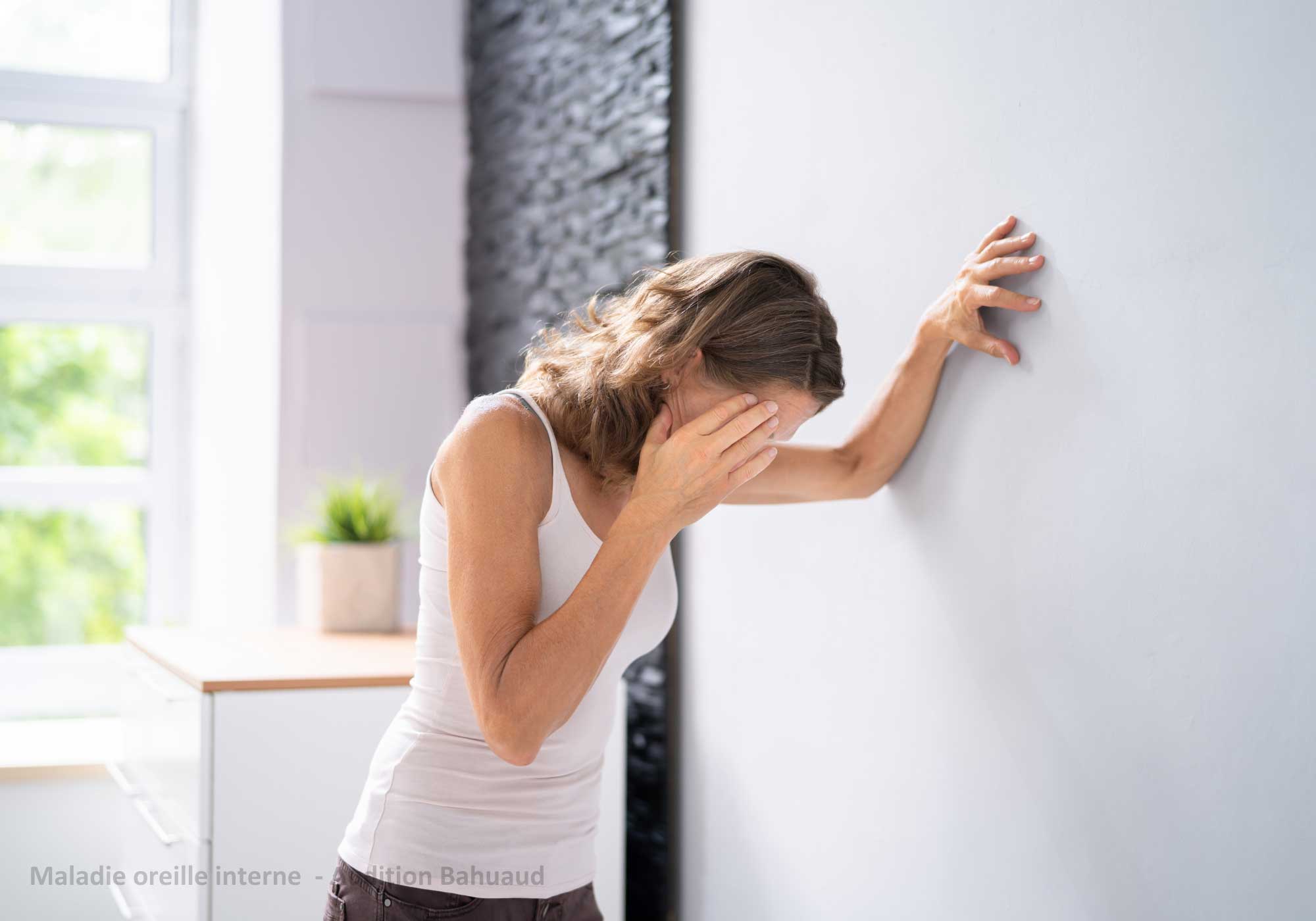
Ménière’s disease: how can it be recognised and treated?
Ménière’s disease is a condition affecting the inner ear that manifests as unpredictable attacks, which are often disorientating for those who suffer from it. It usually begins with episodes of severe vertigo, accompanied by nausea, fluctuating hearing loss and, sometimes, tinnitus. These symptoms can occur suddenly and last from a few minutes to several hours.
How does Ménière’s disease begin?
The first signs often include a feeling of pressure in the ear or tinnitus, followed by dizziness and hearing difficulties. These symptoms must be taken seriously to prevent the hearing loss from getting worse.
Treatment usually involves a combination of medication to alleviate symptoms, dietary changes (reducing salt intake) and, in some cases, medical procedures.
What impact do inner ear disorders have on hearing?
Disorders of the inner ear can have a significant impact on hearing and balance. One of the most common effects is hearing loss, which may be progressive or fluctuating depending on the condition, as in the case of Ménière’s disease. These conditions can lead to partial or total deafness if the symptoms are not treated promptly.
As well as hearing problems, inner ear disorders often affect the vestibular system, causing vertigo or balance problems, which can make everyday activities more difficult and reduce quality of life.
It is essential to choose hearing protection that is suited to your needs in order to protect your hearing and minimise the impact of hearing conditions on your daily life.
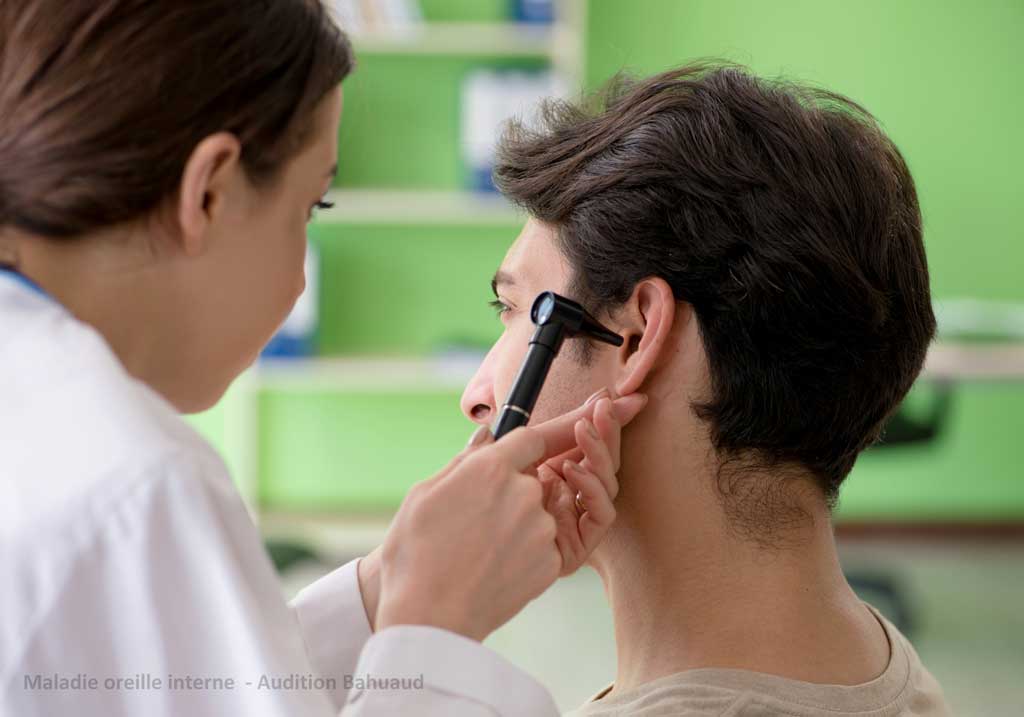
How are inner ear disorders diagnosed and treated?
The diagnosis of inner ear disorders relies on specific tests designed to assess both hearing and balance. An audiogram is used to measure hearing loss, whilst vestibular tests analyse how the inner ear functions in relation to balance. In some cases, an MRI scan is carried out to rule out other conditions and obtain a clear picture of the internal structures.
Treatment varies depending on the condition identified. It may include medication to reduce dizziness or tinnitus, vestibular rehabilitation sessions to restore balance, and, in severe cases, surgery.Each case requires a personalised approach to minimise the impact on hearing and improve quality of life. Contact Audition Bahuaud for advice tailored to your needs and bespoke solutions.
The most common inner ear disorder: how can it be identified?
Amongst the conditions affecting the inner ear, two stand out in terms of their prevalence and impact: labyrinthitis and Ménière’s disease.
Labyrinthitis is an inflammation of the inner ear, often caused by a viral or bacterial infection. It is characterised by severe vertigo, balance problems and temporary hearing loss.
Ménière’s disease, on the other hand, causes unpredictable attacks characterised by vertigo, tinnitus and fluctuating hearing loss. This chronic condition can progress over the long term, leading to a gradual deterioration in hearing.
An accurate diagnosis is essential for distinguishing between these conditions and putting the right treatment in place.
Can inner ear disorders be prevented?
Although it is not always possible to prevent all inner ear disorders, there are certain measures you can take to reduce the risks and protect your hearing:
- Maintain good ear hygiene: clean your ears carefully to avoid infections or injury, and avoid using cotton buds.
- Protect your ears from noise-induced hearing loss: wear hearing protection in noisy environments or during prolonged exposure.
- Prevent infections: treat ear infections or other ENT infections promptly, as they can spread to the inner ear.
- Adopt a healthy lifestyle: reduce stress, avoid excessive salt intake (particularly if you have Ménière’s disease), and do exercises to improve your balance.
These simple steps, combined with prompt treatment of symptoms, can help minimise the impact of inner ear disorders. For personalised support, please contact Audition Bahuaud.
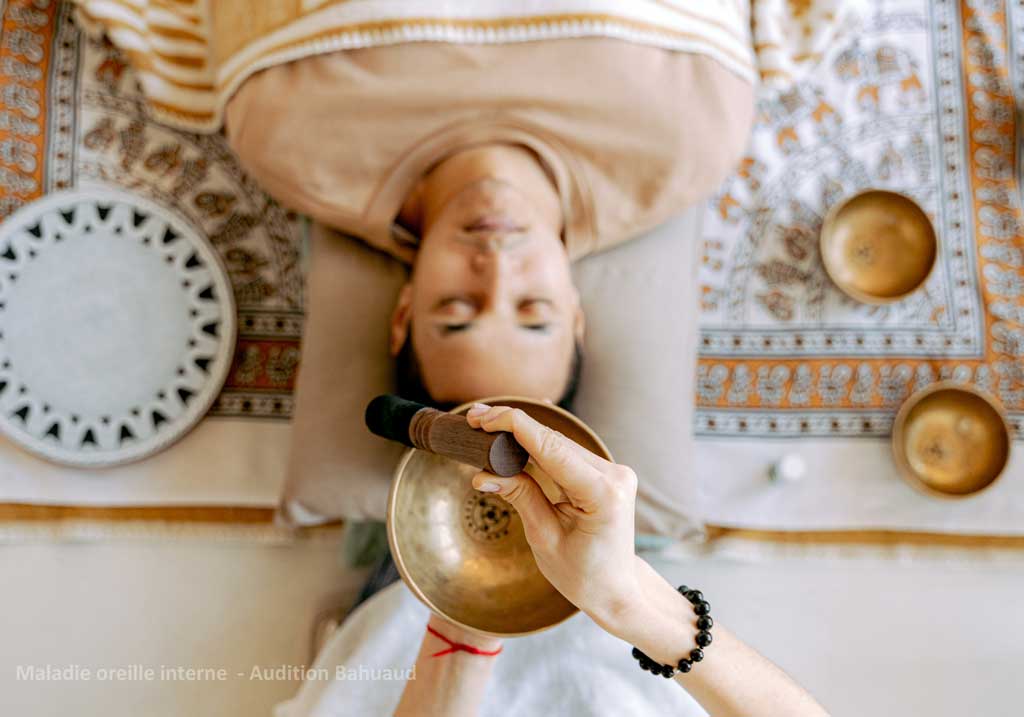
What are the natural treatments for relieving inner ear disorders?
To alleviate the symptoms of inner ear disorders, such as vertigo and tinnitus, natural remedies may be helpful:
- Vestibular rehabilitation to improve balance.
- Ginkgo biloba to stimulate blood flow in the inner ear.
- Ginger to help relieve nausea and dizziness.
- Relaxation (yoga, meditation) to minimise the impact of stress.
These methods complement medical care.
Inner ear disorders can have a profound impact on quality of life. Difficulty hearing and balance problems make everyday activities challenging, often leading to social isolation. Unpredictable episodes of vertigo can cause anxiety and restrict mobility, which affects both personal relationships and professional performance.
Audition Bahuaud supports you in coping better with these conditions and finding suitable solutions.
Adapting to hearing loss caused by an inner ear condition requires tailored solutions. Hearing aids help to improve sound perception, whilst auditory rehabilitation helps to maximise remaining hearing ability. Psychological support can also be beneficial in managing the emotional and social impact of these hearing conditions. For more information on hearing services and healthcare professionals, visit the Audition Bahuaud website.
By looking after your hearing and having regular hearing tests, you can prevent complications and maintain the best possible quality of life. Don’t wait any longer – have your hearing checked today!
To make sure you don’t miss our news and product offers, follow us on Facebook and Instagram or check out our news here